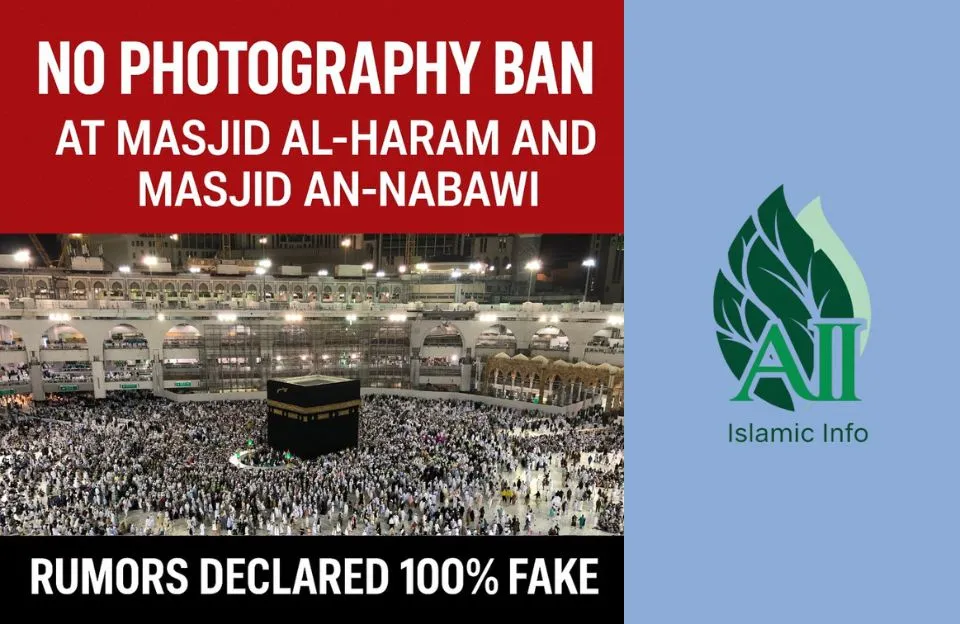
No Photography Ban at Masjid al-Haram and Masjid an-Nabawi for Hajj 2026: Official Sources Confirm Rumors Are False
Recent social media posts documenting fears regarding the Hajj 2026 photography and video recording policy are premature and unfounded, considering no governing authority to date has proposed guidelines restricting the taking of images or videos within the Two Holy Mosques.
No Change in Photography Guidelines for Hajj 2026
The Ministry of Hajj and Umrah and other Saudi administrations continue to exercise silence regarding disseminating guidelines prohibiting the use of cellular devices for photography, videography, and personal recording at the holy precincts of Islam.
The guidelines that pilgrims have followed for years—encouraging respectful photography without disturbing worshippers—remain fully intact.
Fake News Spread Across Social Platforms
Unverified social media accounts claiming that photos would be banned to avoid overcrowding appear to be the origin of the false reports. These unverified accounts caused a misunderstanding that the pilgrims preparing for Hajj 2026 began to see everywhere.
Nevertheless, the Islamic Information and other official sources inform that there are no additional restrictions on photography for Hajj 2026. Hajj pilgrims are allowed to take pictures as long as they follow the rules of etiquette and do not block the way, disturb, and distract other people.
Authorities Warn Against Unverified Claims
Saudi officials have pointed out that the internet distributes these kinds of rumors year-round, but especially around times of high religious observances, such as Hajj and Ramadan. For these reasons, pilgrims have no other option but to trust government-issued messages and religious news from reputable organizations.
Why the Photography Rumor Spread So Quickly
Every year, millions of Muslims travel to Makkah and Madinah for Hajj and Umrah. Points of view that relate to the Two Holy Mosques can go viral in minutes to a huge audience without being verified. Most recently, a rumor about the supposed `complete photography ban for Hajj 2026` gained traction because many users began spreading the information without fact-checking.
Digital misinformation about the Holy Mosques has caused problems as people prepare for the pilgrimage. This is because as people search for travel guidelines, crowd control measures, and applicable religious regulations, it becomes easier for people without verified accounts to spread misinformation.
What the Actual Rules Say
The rule that remains in effect is simple:
You may take pictures as long as it is done considerately and does not interfere with other individuals’ worship or obstruct walkways.
This should be common practice at this point. These rules are designed to protect the sanctity of Masjid al-Haram and Masjid an-Nabawi, while also allowing visitors to take pictures of their trips.
You are asked not to take pictures of the active prayer lines, during Tawaf, or in areas with a high concentration of people that need to be kept clear. These are basic practices that will help keep everyone comfortable and safe.
Official Channels Continue to Encourage Verification
Saudi authorities and trusted Islamic news outlets continue to urge pilgrims to follow verified announcements only. Updates related to Hajj, Umrah registration, Nusuk app guidelines, visa policies, transportation, and crowd management are always posted through official government platforms.
Because of the recurring spread of misinformation, officials emphasize that:
- There will be a formal announcement if there is a significant change in policy.
- News will be verified and will come from official ministries.
- Do not let speculation affect your travel plans.
Pilgrims Advised to Stay Updated
As Hajj 2026 approaches, millions of Muslims around the world are preparing their schedules, travel documents, and spiritual diaries. For a pilgrimage to proceed smoothly and without any unexpected trouble, staying informed using reliable sources will certainly help.
The information pertaining to Hajj 2026 not imposing any photography bans is encouraging to worshippers who wish to keep and capture a record of personal memories while respecting and continuing their practice of documenting the memories of their travels to the holy sites.